


End of Tenancy Cleaning: Protect Your Investment
End of tenancy cleaning restores a property to a genuinely lettable standard, addressing the embedded dirt, lingering odours, and wear that routine maintenance cannot undo.
TABLE OF CONTENTS
- End of Tenancy Cleaning: Protect Your Investment
- Why End of Tenancy Cleaning Matters for Landlords
- What Professional End of Tenancy Cleaning Actually Covers
- The Hidden Damage That End of Tenancy Cleaning Uncovers
- Hot Water Extraction: The Industry Standard for End of Tenancy Cleaning
- Tackling Stains and Odours Through Professional End of Tenancy Cleaning
- Enzyme Treatments and Their Role in Effective End of Tenancy Cleaning
- What to Expect From a Reliable End of Tenancy Cleaning Service
- Honest Assessments: When End of Tenancy Cleaning Has Its Limits
- How End of Tenancy Cleaning Extends the Life of Carpets and Upholstery
- Reducing Void Periods With Consistent End of Tenancy Cleaning
- Choosing the Right Company for End of Tenancy Cleaning
End of Tenancy Cleaning: Protect Your Investment
Every tenancy leaves its mark. Carpets carry embedded dirt, upholstery holds lingering odours, and surfaces accumulate the kind of wear that routine maintenance simply cannot undo. For landlords, the gap between one occupant and the next is a critical window - and how that window is used determines both the condition of the property and its long-term appeal.
More Than a Deep Clean
Professional end of tenancy cleaning goes beyond surface tidiness. It restores a property to a genuinely lettable standard, protecting your investment and meeting the expectations that tenants and letting agents rightly demand.
What's at Stake
Neglecting this stage carries real consequences:
- Persistent stains and odours reduce a property's perceived value to prospective tenants
- Poorly maintained carpets and upholstery wear out faster, driving up replacement costs
- Substandard condition increases the risk of deposit disputes and extended void periods
Addressing these issues thoroughly between occupancies is not an optional extra - it is sound property management.
Why End of Tenancy Cleaning Matters for Landlords
By the time a tenancy ends, a property rarely looks the way it did at the start. Carpets and upholstery absorb months or years of daily use - embedded dirt, spilled drinks, grease, and persistent odours that settle deep into fibres and underlay. A vacuum cleaner and a spray bottle simply cannot reach that level of contamination.
Beyond Surface-Level Cleaning
This is where end of tenancy cleaning becomes a practical necessity rather than an optional extra. Routine methods push residue deeper rather than extracting it, leaving behind stains and smells that cause checkout disputes. Common problems landlords face include:
- Wine, coffee, and grease stains embedded below the carpet surface
- Pet urine deposits that generate persistent odours even after the visible source is removed
- Biological contamination requiring specialist enzyme treatments to address properly
Protecting Your Investment
A professionally cleaned property meets deposit standards, reduces void periods, and extends the lifespan of carpets and upholstery - preserving your asset between lettings.
What Professional End of Tenancy Cleaning Actually Covers
Most landlords are surprised by how little a standard domestic clean actually achieves. Surface vacuuming removes loose debris, but embedded dirt, biological residues, and persistent odours sit far deeper - in carpet fibres, underlay, and upholstery padding where household equipment simply cannot reach.
Beyond the Surface Layer
A professional end of tenancy cleaning service targets exactly those hidden layers. High-pressure hot water extraction penetrates below the surface, lifting contamination that vacuuming consistently leaves behind. Enzyme treatments break down biological compounds rather than masking them, so odours are genuinely eliminated at the source.
What Gets Properly Addressed
The scope typically covers:
- Carpets: deep extraction of embedded dirt, stains, and pet deposits
- Upholstery: removal of grease marks, dye transfer, and trapped odours
- Underlay: sub-surface treatment to fully clear biological contamination
Without this level of intervention, residues remain - and tenants or inspectors will notice.
The Hidden Damage That End of Tenancy Cleaning Uncovers
A property can look acceptable at first glance - carpets vacuumed, surfaces wiped - and still harbour serious contamination beneath the surface. Professional end of tenancy cleaning goes well beyond what the eye can see, using extraction methods that draw embedded matter from deep within carpet fibres and underlay, not merely from the top layer.
What Lies Beneath
The most damaging issues are often completely invisible during a standard walkthrough:
- Pet urine that has soaked through carpet into the underlay, generating persistent odour regardless of surface treatment
- Grease that has penetrated fabric and fibres, gradually breaking down the material and attracting further dirt
- Biological residues from spills that have dried and settled below the surface layer
Why Visual Checks Fall Short
Without professional extraction, landlords risk re-letting a property that still smells or degrades faster than expected. Identifying these hidden problems early protects both the fabric of the property and the relationship with incoming tenants.

Hot Water Extraction: The Industry Standard for End of Tenancy Cleaning
Most cleaning methods skim the surface - hot water extraction goes further. This technique forces heated water deep into carpet fibres under high pressure, then immediately draws it back out, lifting embedded dirt, grease, and residues that ordinary cleaning leaves behind. The result is a clean that penetrates well below what you can see, targeting contamination that vacuuming and surface sprays simply cannot reach.
Why Professionals Rely on It
For end of tenancy cleaning, this depth matters enormously. Carpets absorb grime throughout a tenancy, and that contamination settles into the pile, the backing, and even the underlay. Hot water extraction removes it from the source - not merely from the surface.
What It Handles Effectively
The method proves particularly effective against:
- Grease marks and traffic lane soil embedded deep in carpet fibres
- Coffee and wine stains that have bonded with the carpet backing
- Persistent odours trapped in the pile after prolonged occupancy
Tackling Stains and Odours Through Professional End of Tenancy Cleaning
Carpets and upholstery record every tenancy - wine spills absorbed overnight, coffee rings ground into fibres, grease marks from cooking, and pet deposits seeping deep into the underlay. These are not surface problems, and surface solutions rarely fix them.
Where DIY Methods Fall Short
Domestic cleaning products and rental machines lack the heat, pressure, and specialist chemistry that genuine stains demand. High-pressure hot water extraction reaches below the surface, lifting embedded residues rather than redistributing them. Enzyme treatments break down biological compounds - pet urine, vomit - rather than masking odour temporarily.
What Gets Treated and Why
A professional end of tenancy cleaning addresses the full range of deposit damage that accumulates over a letting:
- Wine and coffee stains, which penetrate deeply and set permanently without proper high-temperature extraction.
- Grease marks that bond to carpet fibres and resist water-based cleaning entirely.
- Pet urine deposits that contaminate underlay and resurface as odour once standard cleaning dries.
Enzyme Treatments and Their Role in Effective End of Tenancy Cleaning
Some stains and odours resist even the most thorough scrubbing - not because cleaning was inadequate, but because the problem lies at a molecular level. Pet urine, vomit, and similar biological deposits leave behind compounds that ordinary detergents simply cannot neutralise.
Breaking Down, Not Covering Up
Enzyme-based products work differently. They introduce active biological agents that target and decompose the organic compounds responsible for persistent smells, eliminating the source rather than masking it with fragrance. End of tenancy cleaning demands this kind of precision - landlords need genuine results, not a property that smells fresh only until the next warm day.
Where Enzymes Make the Difference
Enzyme treatments are particularly effective for:
- Pet urine deposits that have penetrated carpet fibres and underlay
- Vomit residues that leave both staining and lingering biological odour
- Persistent smell trapped in soft furnishings after long-term occupancy
The result is a property that genuinely smells clean - which is exactly what prospective tenants and letting agents expect.

What to Expect From a Reliable End of Tenancy Cleaning Service
A dependable cleaning company does more than show up with equipment - it brings structure, consistency, and professionalism to your turnover process. Landlords and letting agents on tight schedules need a partner who delivers reliable results and fits seamlessly into the rhythm of property management.
Consistency and Honest Communication
Professional teams approach every property systematically, meeting the same standard regardless of the tenancy's condition. Equally important is transparency: a trustworthy provider will tell you upfront when certain damage - such as dye transfer - simply cannot be reversed. That honesty is a mark of experience, not limitation, and it builds lasting trust.
Scheduling That Works for Letting
Companies with genuine experience in end of tenancy cleaning understand the specific demands of the letting sector. They coordinate access efficiently, adapt to your calendar, and reduce downtime between lettings - turning each handover into a predictable, professionally managed step in your workflow.
Honest Assessments: When End of Tenancy Cleaning Has Its Limits
Professional cleaning can transform a neglected property-but no service can reverse every type of damage. Dye transfer, where colour bleeds permanently into carpet fibres, is one example where the harm is irreversible regardless of technique or equipment used. Honest professionals will say so upfront, rather than take payment for work that cannot deliver.
Dye Transfer and Its Limits
When pigment from a rug or furnishing migrates into carpet fibres, the change is chemical and permanent. No amount of extraction or treatment will undo it. A reputable company identifies this during assessment and explains what is achievable before work begins.
Why Honesty Earns Long-Term Trust
During end of tenancy cleaning, setting realistic expectations protects landlords, agents, and tenants alike. A service that overpromises leaves everyone worse off when deposit disputes arise. A company willing to say that cannot be fixed demonstrates the professional integrity that turns a one-off job into a lasting working relationship.
How End of Tenancy Cleaning Extends the Life of Carpets and Upholstery
Carpets and upholstery absorb far more than they appear to on the surface. Over a tenancy, grit, grease, and biological residues work their way deep into fibres, where they gradually break down the material from within. Left untreated, embedded contamination acts like sandpaper - every footstep grinds particles against the weave, accelerating wear.
Extraction That Goes Below the Surface
Professional end of tenancy cleaning addresses this with high-pressure hot water extraction, which lifts the dirt and residues that ordinary vacuuming leaves behind. Key benefits for material longevity include:
- Removal of abrasive grit that degrades carpet fibres with regular foot traffic
- Elimination of biological deposits that cause ongoing material breakdown
- Sub-surface extraction that clears contamination from underlay rather than pushing it deeper
A Practical Investment in Durability
Restored carpets and upholstery maintain structural integrity for longer, extending their useful lifespan and reducing the need for costly early replacement in rental properties.
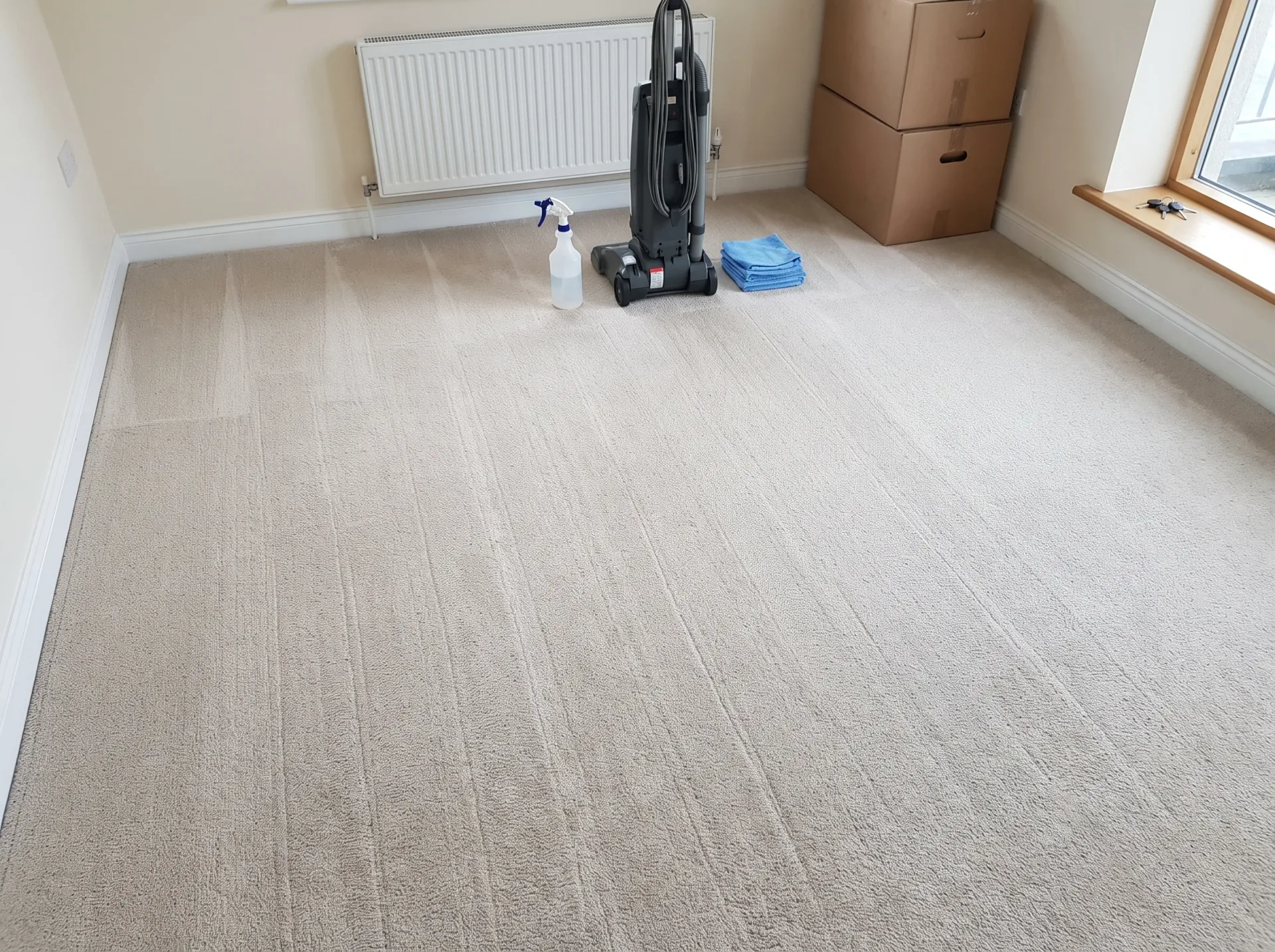
Reducing Void Periods With Consistent End of Tenancy Cleaning
Every day a property sits empty represents lost income for a landlord. When a cleaning service delivers reliable results promptly after a tenancy ends, the property is ready to photograph, market, and show without unnecessary delay. That turnaround is not incidental - it is a direct factor in how quickly a new occupancy can begin.
Meeting Expectations From the Outset
Consistent end of tenancy cleaning ensures the property satisfies both incoming tenants and deposit protection schemes before disputes have a chance to arise. Substandard results or late completion create friction that stretches void periods well beyond what is necessary. A professional service removes that risk through predictable, repeatable outcomes.
What Reliable Turnaround Delivers
- Properties reach lettable condition promptly after checkout, allowing viewings to be scheduled with confidence.
- Deposit disputes are minimised, preventing time-consuming back-and-forth that delays re-letting.
- Letting agents and landlords maintain a consistent turnover schedule without last-minute disruption.
Choosing the Right Company for End of Tenancy Cleaning
Not every cleaning company understands the letting sector. General domestic cleaners may deliver a surface-level result, but landlords need a provider who knows what agents and deposit schemes actually expect. Experience in end of tenancy cleaning means understanding those standards from the outset - not learning on the job at your property's expense.
What to Look For
When evaluating providers, prioritise:
- Sector-specific experience working directly with landlords and letting agents
- Honest communication about what cleaning can and cannot realistically achieve
- A structured approach to deep cleaning carpets, upholstery, and problem stains
Honesty as a Quality Signal
A trustworthy company will never guarantee outcomes that no method can deliver - dye transfer, for instance, is irreversible regardless of technique. That transparency is itself a mark of professionalism. Consistent, reliable results across every booking reduce downtime between lettings and protect your property investment over the long term.