


Couch Cleaning Service: What You Need to Know
A professional couch cleaning service reaches far deeper than everyday vacuuming, targeting embedded dirt, organic residues, and stains that build up silently within the fibres.
TABLE OF CONTENTS
- Couch Cleaning Service: What You Need to Know
- What a Professional Couch Cleaning Service Actually Does
- Deep Cleaning vs. Surface Cleaning: Why the Difference Matters
- Types of Stains a Couch Cleaning Service Can Remove
- How Enzyme Treatment Tackles Organic Stains and Odours
- Fabric vs. Leather: How the Cleaning Approach Differs
- What to Expect During a Couch Cleaning Service Visit
- End-of-Tenancy Couch Cleaning: A Guide for Landlords
- Honest Limitations: What No Couch Cleaning Service Can Fix
- Commercial Settings: When Businesses Need a Couch Cleaning Service
- How to Choose the Right Couch Cleaning Service for Your Needs
- How Often Should You Book a Couch Cleaning Service?
Couch Cleaning Service: What You Need to Know
Your vacuum reaches the surface. Professional cleaning reaches everything beneath it.
Regular maintenance keeps a couch looking presentable day to day - but it doesn't address what accumulates deep within the fibres: embedded dirt, dried residues, and organic matter that builds up quietly over months of ordinary use.
Beyond Surface-Level Cleaning
A professional couch cleaning service works differently. Hot water extraction penetrates below the fabric surface, pulling out debris and stains that household tools cannot reach. Specialist techniques - including enzyme treatment for organic stains - address problems at their source rather than masking them.
Why It Matters Long-Term
Ignoring deep cleaning allows stains to set permanently and accelerates fabric degradation. The distinction matters:
- Surface cleaning removes visible debris but leaves embedded dirt untouched.
- Deep extraction targets stains like wine, coffee, and grease at fibre level.
- Specialist treatments tackle organic issues - pet odours included - that standard cleaning cannot resolve.
What a Professional Couch Cleaning Service Actually Does
Most people vacuum their couch occasionally and wipe down visible marks. That handles the surface - but it leaves behind the layers you cannot see: accumulated dust, embedded debris, and allergens that work their way deep into the fabric fibres over months of regular use.
Deep Extraction, Not Surface Wiping
A professional couch cleaning service relies on hot water extraction - a method that drives heated water into the upholstery and pulls it back out, drawing embedded dirt along with it. The result is a clean that reaches well below what any household tool can achieve.
Targeted Treatment for Stubborn Stains
Beyond general deep cleaning, professionals apply enzyme treatments for organic stains - pet urine, food spills, odours - tackling contamination in both the fabric and the underlying layers. This targeted approach removes problems at the source rather than masking them temporarily.
Deep Cleaning vs. Surface Cleaning: Why the Difference Matters
Surface cleaning - vacuuming, spot sprays, quick wipe-downs - handles what is immediately visible. It removes loose debris from the top layer of fabric and leaves a couch looking refreshed for a short while. The problem is everything that lies beneath.
What Hides Inside the Fabric
Over time, dust, skin cells, pet dander, and liquid residues settle deep into the fibre structure, well beyond the reach of any surface treatment. A couch may look perfectly clean while harbouring embedded dirt, odour-causing bacteria, and organic matter that household methods simply cannot dislodge - no matter how thoroughly they are applied.
Why Deep Extraction Changes Everything
A professional couch cleaning service uses hot water extraction to penetrate below the surface and physically pull out what has accumulated inside the upholstery. The result is not a temporarily refreshed appearance but genuinely clean fabric. For heavily soiled pieces or upholstery carrying pet stains and odours, surface cleaning is not an alternative - it is merely a delay.
Types of Stains a Couch Cleaning Service Can Remove
Everyday life leaves its mark on upholstered furniture. A professional couch cleaning service tackles a wide range of visible stains that routine vacuuming simply cannot reach, using hot water extraction to draw contaminants from deep within the fabric rather than merely treating the surface.
Everyday and Accidental Stains
The most common culprits respond well to hot water extraction:
- Wine and coffee - liquid-based stains that penetrate fibres rapidly if left untreated
- Ink - notoriously difficult to lift without specialist equipment
- Grease - bonds to fabric at a fibre level and continues attracting dirt over time
Organic Stains and Odours
Pet urine, vomit, and similar organic matter present a distinct challenge. These require enzyme treatment, which breaks down biological residue rather than masking it - addressing both the stain and the associated odour embedded in the fabric and the underlay beneath. One honest note: dye transfer is irreversible, and reputable professionals will say so before work begins, not after.
How Enzyme Treatment Tackles Organic Stains and Odours
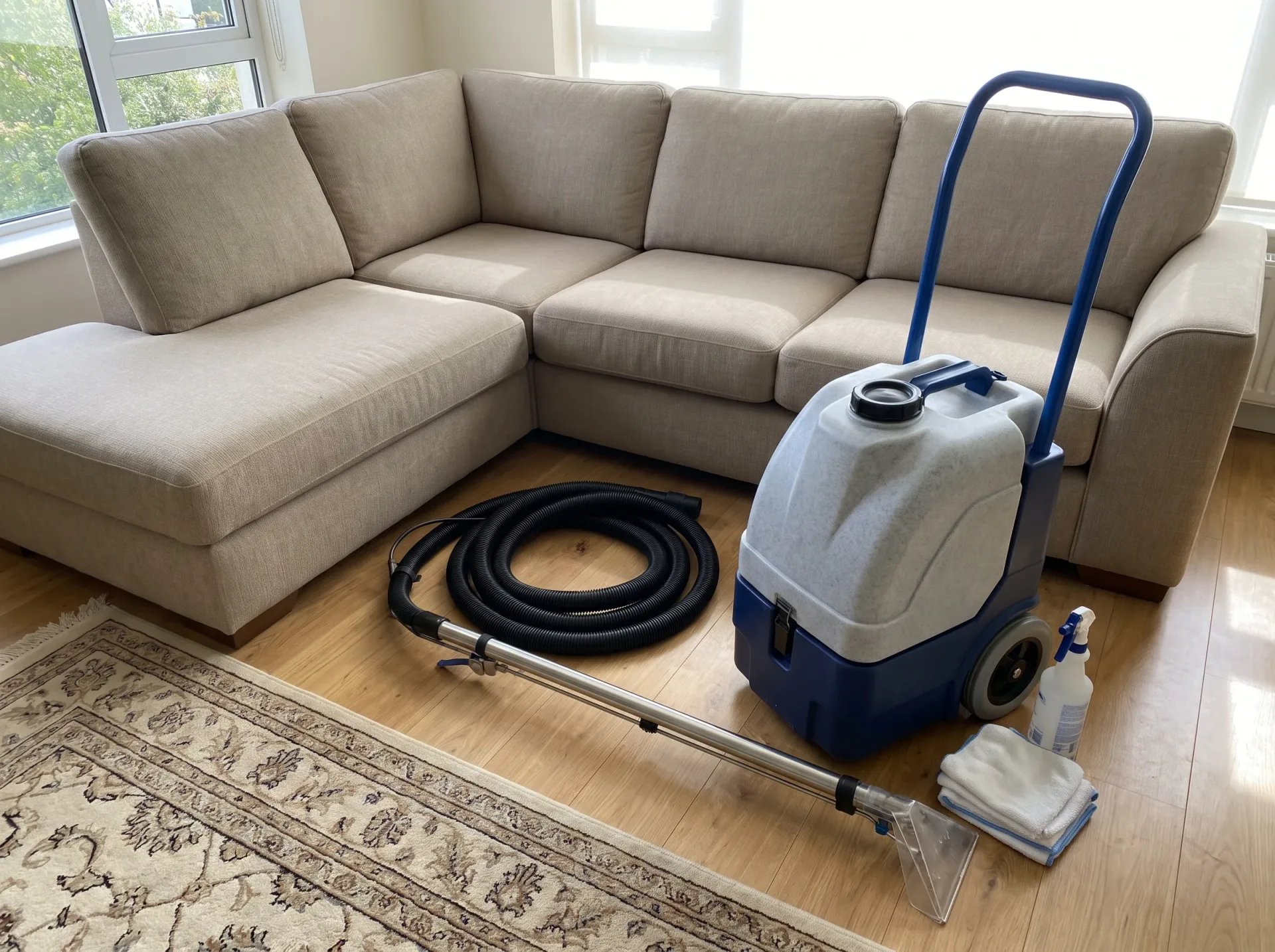
Not all stains are created equal. Wine or coffee sit near the surface, but organic stains - pet urine, vomit, bodily fluids - penetrate deep into the fabric and settle into the underlay beneath. This is where standard cleaning fails: it may lift surface discolouration while leaving the odour source completely untouched.
Why Enzymes Work Differently
Enzyme treatments break down organic matter at a molecular level, digesting the proteins and bacteria responsible for persistent odours. A professional couch cleaning service applies these treatments in a way that reaches both the fabric fibres and the underlay, targeting the actual source rather than masking it with fragrance. The process typically involves:
- Pre-treatment to saturate the affected area and allow enzymes to activate
- Dwell time to break down organic compounds thoroughly
- Hot water extraction to remove dissolved residue from deep within the cushioning
Results That Last
Because enzymes eliminate the biological source of the smell, the odour does not return once the furniture dries fully. Surface sprays and deodorisers provide only temporary relief - enzyme treatment delivers a lasting outcome.
Fabric vs. Leather: How the Cleaning Approach Differs
Not all upholstered furniture is created equal. The material beneath your hands tells a professional cleaner as much about the job ahead as the stains themselves. Fabric upholstery responds well to hot water extraction - the deep-penetrating method that lifts embedded dirt and organic residue from within the fibres. Leather, however, reacts very differently to moisture and heat, requiring gentler, purpose-formulated products that clean the surface without drying or cracking the material.
Why Method Mismatch Causes Damage
Applying a fabric-oriented couch cleaning service to leather can cause irreversible harm - discolouration, warping, or surface deterioration. This is why a provider's hands-on experience with specific materials matters:
- Fabric upholstery typically tolerates hot water extraction and enzyme treatments for organic stains.
- Leather requires specialist conditioning products applied after cleaning to preserve suppleness.
- Both materials demand correct drying conditions to avoid mould or structural damage.
Choosing the Right Provider
Before booking, confirm that the provider has direct experience with your specific upholstery type. A knowledgeable professional will assess the material first and adjust their technique accordingly - never defaulting to a one-size-fits-all approach.
What to Expect During a Couch Cleaning Service Visit
Before any equipment is unpacked, a technician examines the fabric type, checks for staining patterns, and identifies areas requiring specialist attention - such as organic stains that call for enzyme treatment rather than standard extraction. This initial assessment shapes every decision that follows.
Treatment and Deep Extraction
Hot water extraction reaches well below the surface fibres, drawing out embedded dirt and debris that vacuuming simply cannot touch. Visible stains - coffee, grease, ink - receive targeted pre-treatment before the main extraction pass begins.
Honest Outcomes, Clearly Stated
A reputable couch cleaning service will tell you upfront what can and cannot be achieved. Certain issues, such as dye transfer, are irreversible, and experienced professionals communicate this before starting - not after. That transparency is often the clearest sign you are dealing with someone who genuinely knows their craft.
End-of-Tenancy Couch Cleaning: A Guide for Landlords
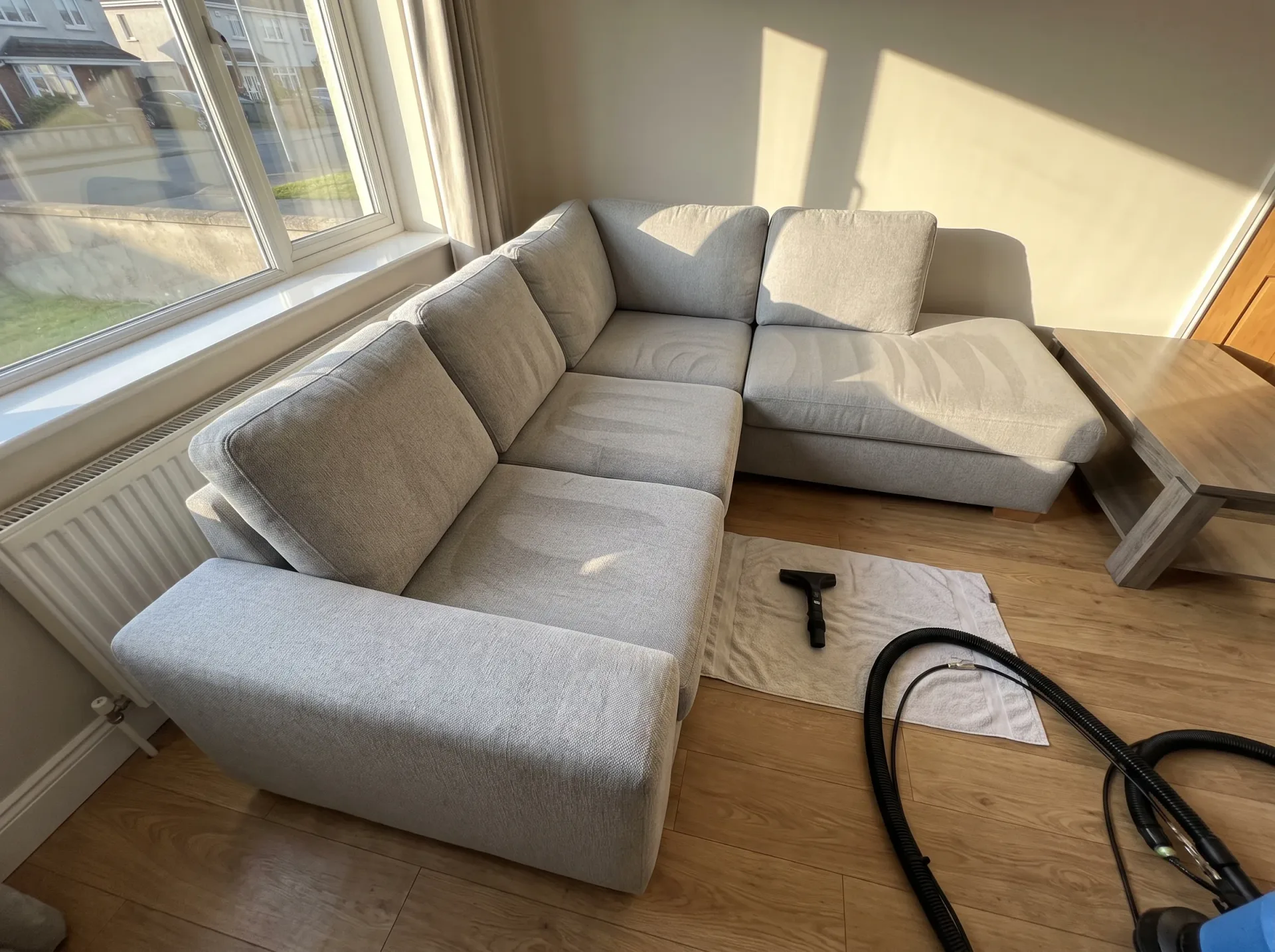
Between tenancies, upholstered furniture often bears the visible marks of daily life - stains, odours, and embedded grime that surface cleaning simply cannot address. For landlords and letting agents, a professional couch cleaning service is one of the most reliable tools for restoring furniture to an acceptable condition before new tenants arrive.
Protecting the Deposit Process
Clean furniture reduces friction in deposit disputes and supports a smoother handover. Professional cleaning addresses the issues that matter most:
- Visible stains such as wine, coffee, and grease are removed using hot water extraction.
- Organic odours from pet urine or vomit are treated with enzyme techniques that reach both fabric and underlay.
- Reputable operators disclose irreversible damage - such as dye transfer - before work begins, not after.
Reliable Results, Every Tenancy
Consistent use of a couch cleaning service helps landlords maintain property standards across multiple lets. Experienced providers understand the demands of property management and deliver repeatable results that keep furnishings presentable for longer.
Honest Limitations: What No Couch Cleaning Service Can Fix
Every reputable couch cleaning service is upfront about one fundamental truth: some damage is permanent. Deep extraction can remove years of accumulated grime and lift stubborn stains - but certain problems lie beyond the reach of any technique or equipment currently available.
Damage That Cannot Be Undone
Before work begins, honest professionals will flag these irreversible issues:
- Dye transfer - colour that has migrated from one fabric to another cannot be extracted or restored.
- Sun-bleached areas - fading caused by prolonged UV exposure is permanent.
- Structural fabric damage - fraying, tears, or thinning remain unchanged after cleaning.
- Chemically altered fibres - some reactive substances permanently change fibre pigmentation.
Why Upfront Honesty Matters
A provider who discloses these limitations before starting work - rather than after - demonstrates genuine expertise and professional integrity. It is precisely this transparency that separates trustworthy operators from those simply chasing a booking. If a company promises to fix everything, treat that as a warning sign, not a selling point.
Commercial Settings: When Businesses Need a Couch Cleaning Service
In offices and hospitality venues, furniture is never just furniture - it is part of the impression a business makes on every visitor who walks through the door. Upholstered seating in waiting rooms, meeting spaces, and hotel lobbies absorbs heavy use daily, accumulating dirt and odours that gradually undermine the professional atmosphere a brand works hard to project.
Why Client Perception Depends on It
A dedicated couch cleaning service addresses this in ways routine maintenance simply cannot. Deep extraction removes embedded debris and eliminates odours that surface cleaning leaves untouched, restoring upholstered pieces to a condition that reflects positively on the business rather than quietly working against it.
Routine Maintenance, Not a Last Resort
The most effective commercial approach treats professional cleaning as a scheduled part of property upkeep - not a reactive measure taken only when furniture already looks worn. Regular attention extends the life of expensive pieces and ensures consistent, polished presentation throughout the year.
How to Choose the Right Couch Cleaning Service for Your Needs
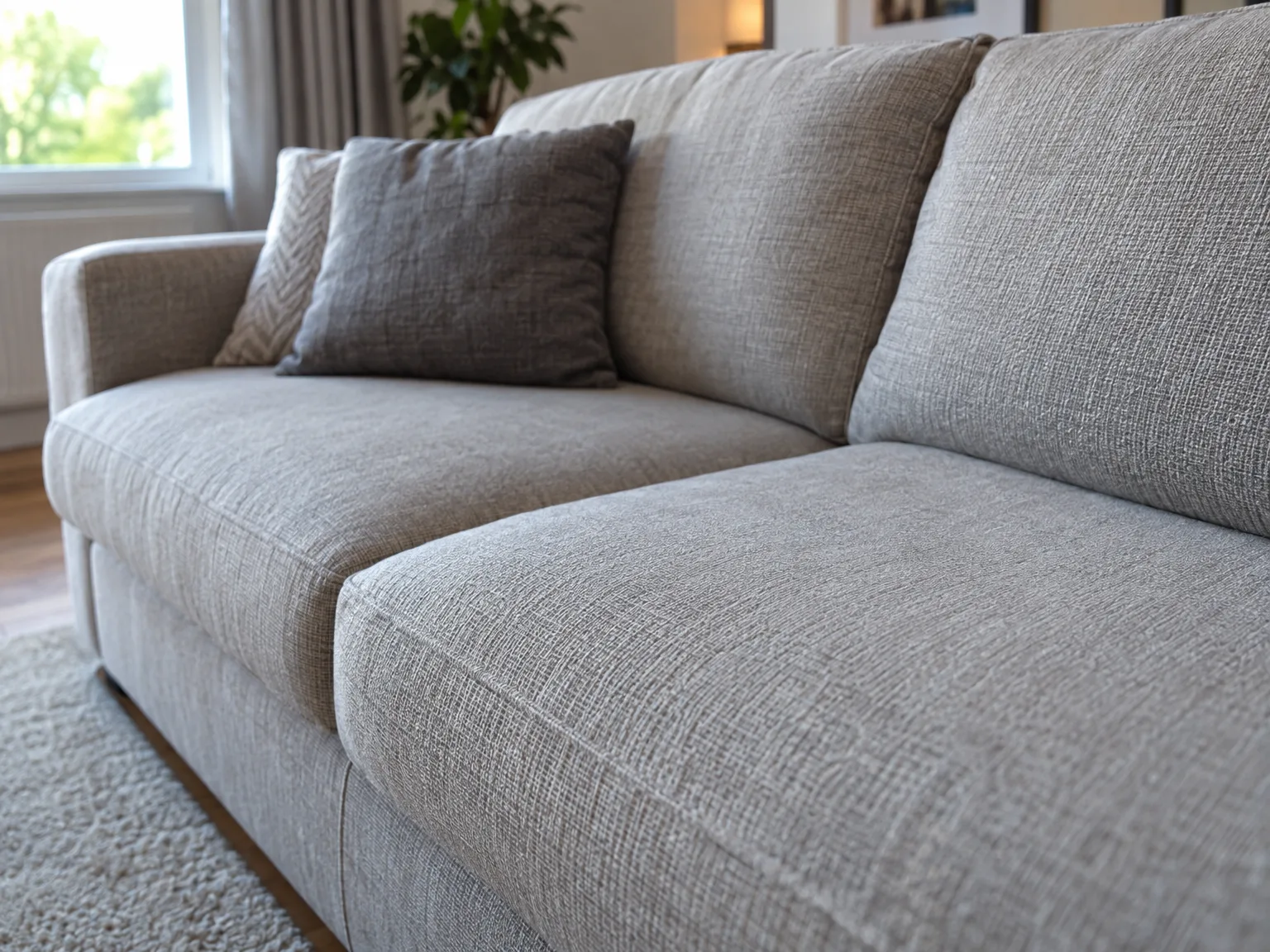
Not every provider brings the same level of expertise to the task. Before booking a couch cleaning service, verify that the operator has direct experience with your specific fabric type - whether standard upholstery or a specialist material like leather - since each demands a tailored approach to avoid damage.
Ask About Limitations First
Reputable professionals communicate honestly about what cleaning cannot fix. Dye transfer, for instance, is irreversible, and experienced operators will tell you this before starting work, not after. If a provider guarantees results without first assessing the fabric, treat that as a warning sign rather than reassurance.
Prioritise Consistency Over Claims
Genuine expertise develops through repeated, professional application of specialist techniques and equipment - not through marketing language. Look for operators who can demonstrate a clear track record across different upholstery types and stain challenges, and who answer technical questions with confidence and clarity.
How Often Should You Book a Couch Cleaning Service?
How often your furniture needs professional attention depends entirely on how your household actually lives. A lightly used guest room sofa and a daily-use family couch are two very different cases.
Factors That Affect Frequency
Several household variables push the schedule forward:
- Pets leave dander, hair, and odours that accumulate faster than they visibly appear
- Young children bring spills and sticky residue that work deep into fabric fibres
- High daily use accelerates general soiling and gradually flattens upholstery over time
Ask a Professional to Assess
Rather than guessing, book a couch cleaning service and ask the technician to evaluate your furniture's actual condition. An experienced professional can recommend a realistic maintenance interval based on what they find - not a one-size-fits-all rule. Catching gradual build-up early also makes each subsequent clean faster and more effective.